Imagine getting a call that changes your routine overnight. A parent needs help after a fall. A spouse begins to forget important details. A loved one can no longer manage daily tasks alone.
For millions of Americans, this is not a hypothetical situation. It is everyday life.
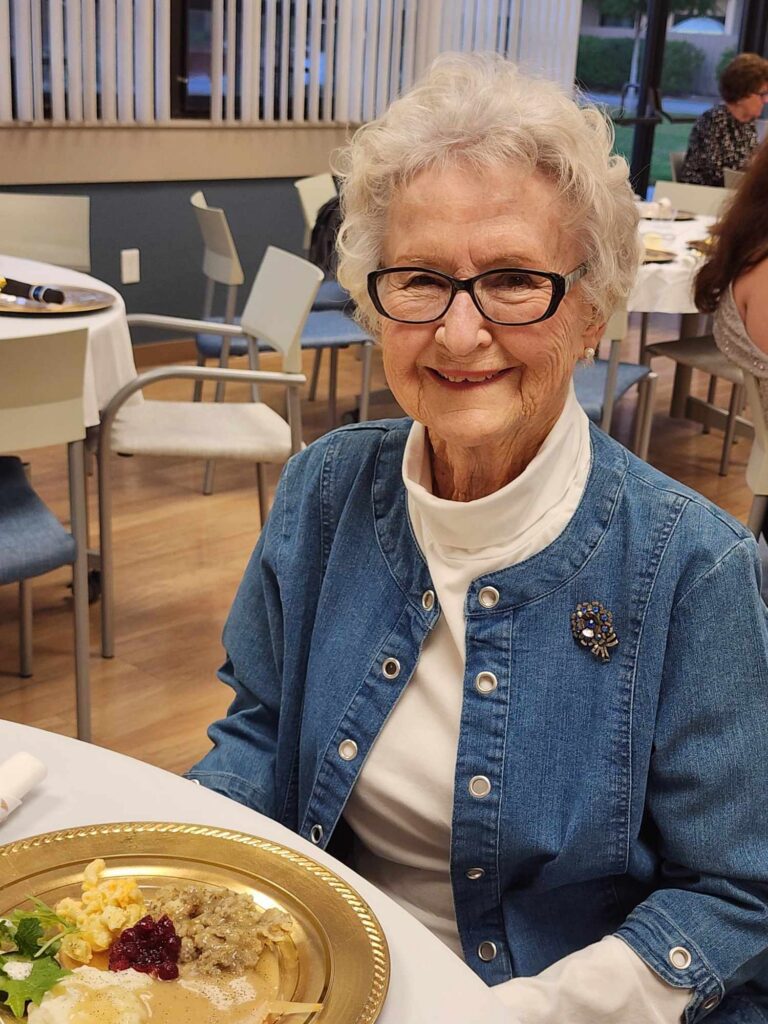
Caregiving often begins quietly. A quick check-in turns into daily visits. Small tasks become constant responsibilities. Over time, the emotional, physical, and financial weight grows. Many caregivers find themselves balancing full-time jobs, raising families, and navigating complex healthcare systems, often without the support they need.
Today, more than ever, caregiving is not just a personal responsibility. It is a national challenge that touches nearly every family.
The Reality: A Growing and Unseen Burden
Recent research from AARP and the National Alliance for Caregiving shows that 63 million Americans, nearly 1 in 4 adults, are now caregivers, a dramatic increase over the past decade.
Behind that number are real people making difficult choices every day. Many reduce work hours or leave jobs entirely. Others sacrifice their own health while caring for someone they love.
The economic impact is staggering. Caregivers provide more than $1 trillion in unpaid care each year, quietly sustaining a system that would otherwise be overwhelmed.
As LeadingAge notes, caregivers are “the glue holding together the delivery and financing of long-term services and supports in the U.S.” Yet many lack the resources needed to maintain their own health, well-being, and financial stability.
Data from the U.S. Bureau of Labor Statistics shows that caregiving is not occasional. It is often hours of care each day, layered on top of work and family life.
And yet, despite the scale of this responsibility, support systems remain difficult to access and fragmented. The Administration for Community Living continues to highlight ongoing challenges including caregiver burnout, financial strain, and limited coordination across services.
For many families, the question is not whether they will become caregivers. It is when.
A Broader Policy Perspective: Housing and Care Must Work Together
Recent state-level research reinforces this same reality. The Massachusetts Senior Housing Commission 2025 Report emphasizes that supporting older adults requires more than housing alone. It calls for an integrated approach that connects housing, health care, and supportive services so older adults can age in community with dignity, stability, and choice. (Massachusetts Senior Housing Commission Report, 2025)
This reflects a growing recognition that housing and care systems cannot operate separately. They must work together to respond to the realities of aging households and the families who support them.
What We’ve Learned: Care Works Best in Community
Over time, one thing has become clear. Caregiving cannot happen in isolation.
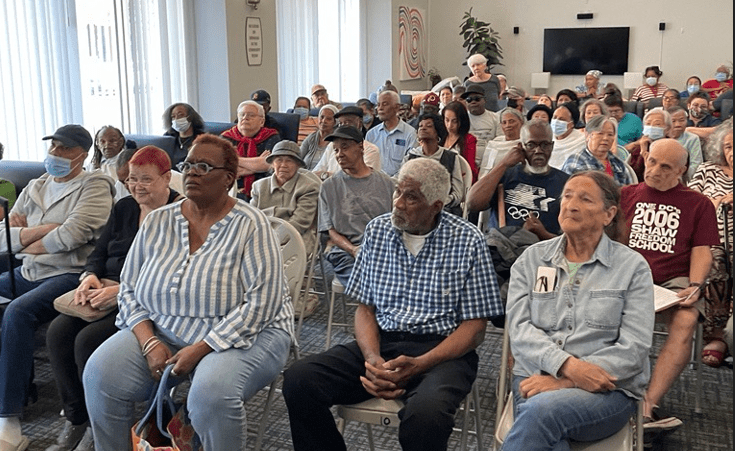
When support is built into the places people already live, everything changes. Seniors are able to remain in their homes longer. Health outcomes improve. Caregivers feel less alone and more supported.
Housing becomes more than a place to live. It becomes a foundation for stability, connection, and care.
The Solution: Enhanced Supportive Services Program (ESSP)
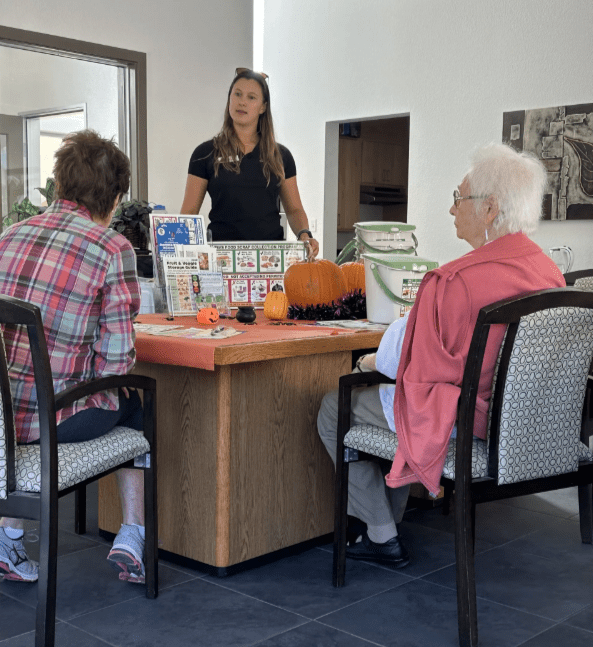
The Enhanced Supportive Services Program was created in response to this growing need. It brings together health services, social support, and community engagement directly into residential settings, creating a network of care that supports both residents and their families.
Through this model, communities can offer:
- On-site and virtual health services that support aging in place
- Guidance and resources for caregivers navigating complex systems
- Opportunities for social connection that reduce isolation
- Access to technology that connects residents to care, services, and loved ones
This approach reflects what research continues to show. When care is proactive, local, and connected, outcomes improve for everyone involved.
What This Looks Like in Real Communities
At Heritage House in Newburyport, Massachusetts, Connected Communities partners with AgeSpan, Inc. to provide programs and services to support social connection, emotional wellness, mobility exercise, nutrition, and so much more. As a result, residents experience strong outcomes across health and well-being.
- 100% of residents have rent and utility stability
- 100% of residents see their Primary Care Providers annually
- 90% are socially satisfied
- 92% of residents who need assistance with daily living receive home health care services
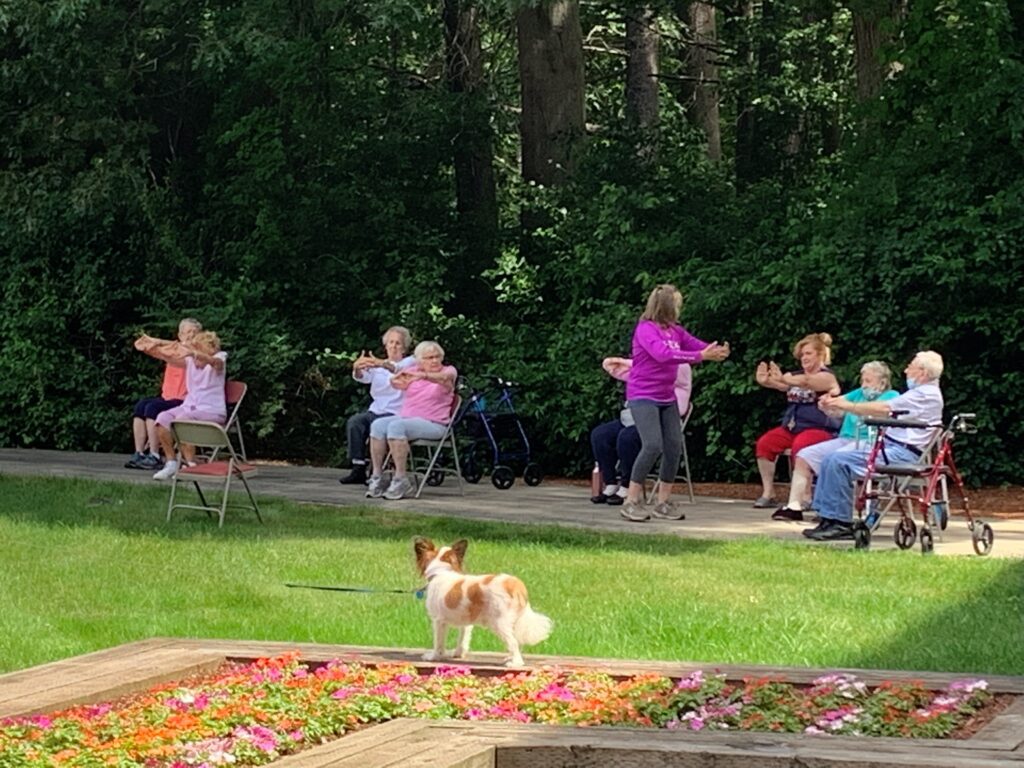
At Fred B. Rooney in Bethlehem, Pennsylvania, Connected Communities partners with St. Luke’s School of Nursing to provide over 550 wellness-related services annually and hosted 85 events this past year including but not limited to: Matter of Balance classes, COVID/Flu/RSV vaccine clinics, healthy sleep, heart health, stress management, healthy food, mindfulness and osteoporosis support. These programs serve as lifelines, helping residents continue living with dignity and connection.
Looking Ahead: Samuel Kelsey Senior Apartments
At Samuel Kelsey Senior Apartments in Washington, DC, Connected Communities is building on these lessons in partnership with Iona Senior Services.
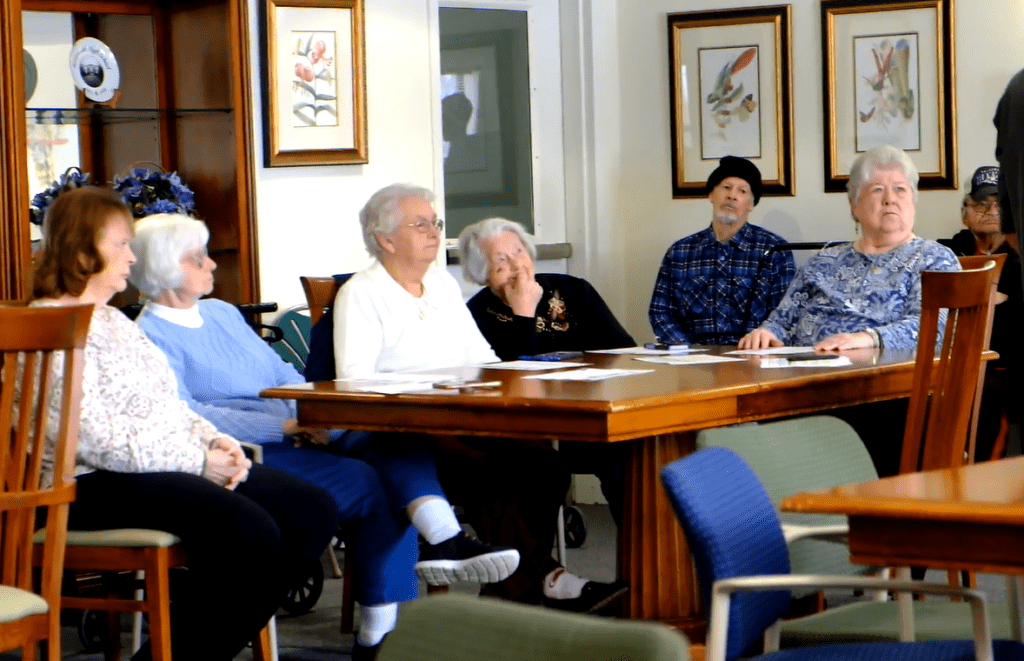
This next phase of Enhanced Supportive Services Program is being shaped directly by residents themselves. Their voices are guiding decisions about services, shared spaces, and the types of support that matter most in their daily lives.
The goal is simple but powerful. Create a community where residents can age with dignity, remain connected, and access the care they need without leaving the place they call home.
It is also about supporting the unseen network around them. The daughters, sons, spouses, and neighbors who step into caregiving roles, often without preparation.
Why It Matters
At some point, most of us will find ourselves in this story. We will care for someone we love, or we will need someone to care for us. The question is whether the systems around us will be ready. Enhanced Supportive Services Programs offer a path forward. They recognize that caregiving is not just a personal journey but a shared responsibility. By investing in community-based solutions, we can reduce the burden on families, improve quality of life for seniors, and build stronger, more connected communities.
A Call To Action
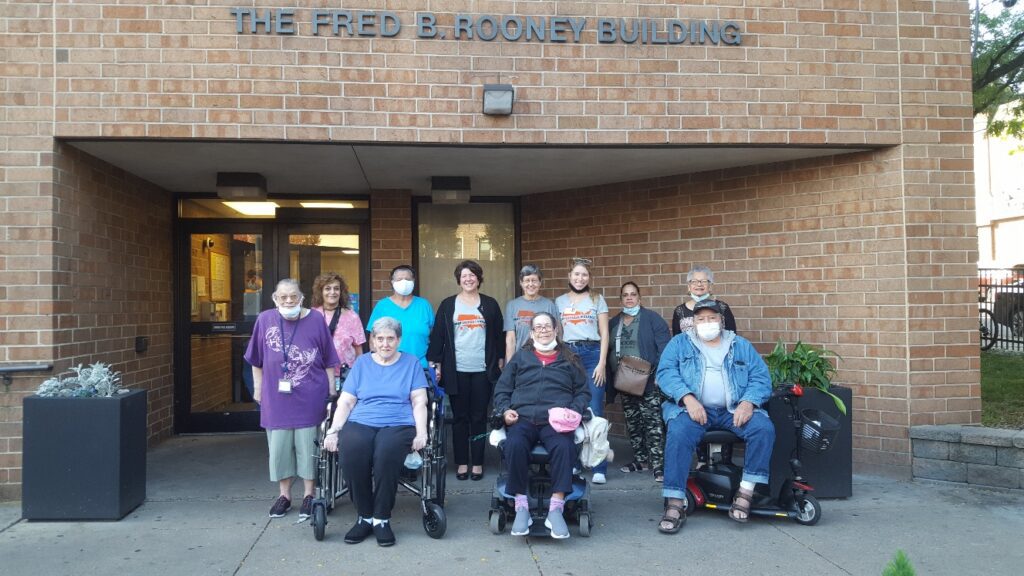
As Connected Communities continues to expand ESSP, the opportunity is clear: to reimagine aging not as a challenge to manage, but as a stage of life supported with dignity, connection, and care. We invite partners, funders, and policymakers to join us in advancing solutions that work because when we invest in seniors and their caregivers, we strengthen entire communities.
To contribute or partner with us, please visit www.connectedcommunities.org or contact us at info@connectedcommunities.org.
